 en
en Tiếng Việt
 日本語
日本語 简体中文
简体中文 한국어
한국어
In every kitchen, choosing fresh ingredients is the prerequisite for the quality of the finished dish. For an industrial kitchen serving hundreds or even thousands of meals a day, selecting pork that is fresh and safe matters more than ever.
Fresh meat not only makes a dish fragrant, tasty and nutritious, but also protects the health of the people who eat it. Yet in a market as varied as ours, where meat is preserved in many different ways, how can you tell which pork is fresh and of guaranteed quality?
Join STAVI in looking at three extremely simple ways to tell fresh pork that professional chefs use every day.
See also:
- Sound eating principles to keep you healthy
- A nutritional regime for people with diabetes
- Sample school catering menus that are appealing and delicious
1. Check the colour and the springiness
When you buy pork and use it to cook, the colour and the way it feels to the touch are the first signs by which to judge how fresh the cut is.
Fresh meat is usually pale pink to a pinkish red, with a dry, bright surface and an even colour, neither dark nor dull. The fat that comes with it is an ivory white, with no strange spots or bruised patches.
If you press the cut lightly with your finger and the meat springs back quickly without leaving a lasting dent, that is the sign of meat that is new and has not yet gone off or lost moisture.
Conversely, meat that is soft and mushy, pale, greyish-green or oozing a slimy liquid has been kept too long or stored badly, and should not be used.
When taking in supplies for an industrial kitchen, choose cuts with a fresh colour and bright white fat, and test the springiness lightly by hand. If the meat has an odd colour or stays dented when pressed, notify the supplier and have it exchanged for other goods, so that the kitchen’s quality is assured.

2. Check the smell and the surface texture
Two further important factors that reflect the natural freshness of meat are its smell and the texture of the surface of the cut.
As for smell, fresh meat has the characteristic aroma of new meat, with no foul, fishy or sour odour. If you detect an unusual smell, it must absolutely not be used for cooking, as it may cause food poisoning and harm health. This is particularly true in large kitchens serving thousands of staff and workers, where it would disrupt the company’s business and leave serious consequences behind.
As for texture, fresh meat has a dry surface that is not slimy and does not ooze any strange liquid, and the fibres are firm. Cut lengthways, the grain of the meat is clear and firm, and it does not crumble.
When taking delivery from the supplier, the person in charge needs to open the bags of meat to smell each piece and examine the surface. If anything seems suspect, they should ask for a replacement or stop accepting the delivery.

3. Check the cut surface of the meat
This is the step that allows the cook to judge the inside of the meat most accurately. When fresh meat is cut open it is a pinkish red, does not ooze a slimy liquid and does not stick to the hand. Sliced along the grain, the fibres are clear and the meat is neither mushy nor soft; this is meat that meets the standard of freshness and quality.
Meat that has gone off, by contrast, is usually darker, slightly wet and sticky, and sometimes has a clearly noticeable foul smell.
When taking in whole carcasses or large cuts, ask the supplier to cut a small piece so that you can check the cut surface before accepting the whole consignment. If the cut shows any unusual signs, refuse it or ask for a replacement.

4. Points to note when storing meat in an industrial kitchen
Have meat delivered immediately before use or on the same day, because the longer pork is kept the more its quality declines.
On receipt, check the temperature, the packaging and the life of the meat. Cuts must be kept at the correct temperature on the way to the kitchen, in clean packaging that is not torn.
After receipt, if the meat is not to be used at once it should be stored in a refrigerator at 4 °C or below, and fresh cuts should be used the same day.
Telling fresh pork apart and choosing it well is an important skill in professional kitchen management.
A cut that meets the standard not only makes a dish tastier but also reflects the cook’s sense of responsibility and dedication to the health of the workforce.
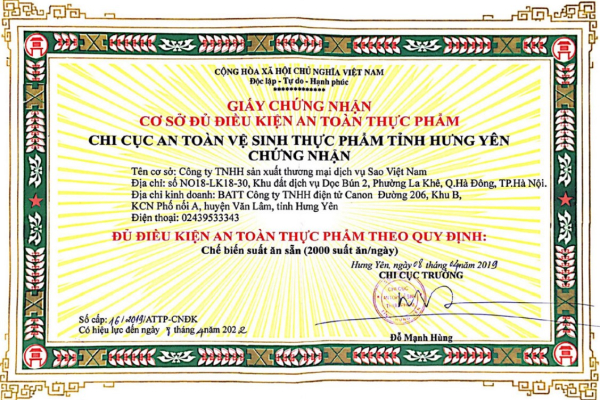
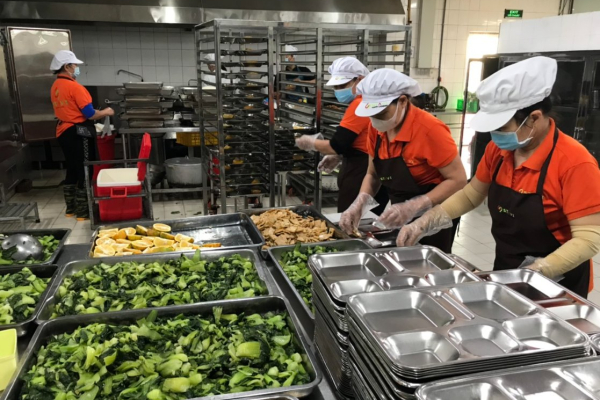
At STAVI industrial catering, every consignment of meat that enters the kitchen is strictly checked at each stage, from colour and smell to springiness, so that every meal meets the standard of “delicious – safe – nutritious”. If you are interested in industrial catering for a factory, an office or a school, contact us on our hotline for advice and support.