 en
en Tiếng Việt
 日本語
日本語 简体中文
简体中文 한국어
한국어
To improve malnutrition in children, meals need not only to provide adequate nutrition but also to be easy for children to digest and absorb. Below are some suggestions for dishes for malnourished children, suitable for children with malnutrition, that parents can refer to.

Malnourished children often dread mealtimes
Nutritional requirements for malnourished children
Children, especially those suffering from malnutrition, need a balanced and sensible diet to replenish the energy and nutrients required for recovery and all-round development. Below, nutrition experts set out some important principles for caring for malnourished children that parents need to follow in order to improve their child's weight:
- Give children only thoroughly cooked food and boiled water that has been left to cool.
- Choose fresh, clean, safe ingredients and give priority to organic produce grown to VietGAP standards when preparing food for children.
- Teach children personal hygiene habits: washing hands before eating and after using the toilet, and brushing their teeth twice a day.
- Sterilize children's eating utensils with boiling water before meals to remove harmful bacteria.
- Keep the living space clean and airy, making sure the areas where children play and sleep are free of high humidity and pollution.
- Encourage children to take part in light physical activities such as walking and swimming to improve overall health and help the musculoskeletal system develop fully, but parents need to supervise to keep children safe.
- Add snacks such as fruit and yogurt to provide extra vitamins and minerals.
- Let children eat according to their appetite and avoid forcing them to eat, which creates a fear of eating and loss of appetite. If a child does not want to eat, pause the meal and continue at the next one when the child is ready.
- If the child is breastfeeding, make sure the baby gets enough feeds and enough milk at each feed, with feeds about 2-3 hours apart. If the mother does not have enough milk, a suitable formula can be added.
- For children aged 6 months and over, increase the number of meals and diversify foods to ensure adequate nutrients. Children should eat as soon as food is cooked to preserve its full nutritional value.
- Add cooking oil or animal fat to daily dishes to help children absorb nutrients better.
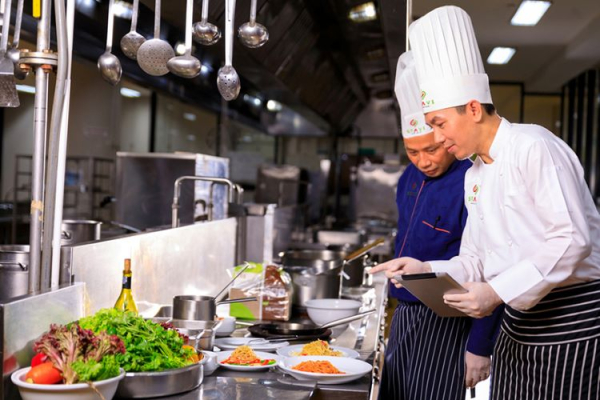
- For children who eat at school, schools and parents should choose industrial catering providers that guarantee quality. These meals need nutritionally complete portions prepared by experienced chefs, helping children enjoy their food and absorb more nutrients.
Malnourished children often tend to lose their appetite, partly because they are forced to eat, which makes them fearful at every mealtime. Parents therefore need to create a relaxed, cheerful eating environment and encourage children to take part in choosing foods and preparing dishes. Words of encouragement and attention from parents help children feel more relaxed, so they eat with appetite and absorb nutrients more easily.
.webp "Choosing industrial catering providers that guarantee quality")
Choosing industrial catering providers that guarantee quality
Read more:
- School catering company – The solution for quality meals for students
- Are our children truly happy with their school meals?
- Top memory-boosting foods that school meals cannot do without
- Top 9 delicious dishes that school meals cannot do without
Suggested menu to help improve malnutrition in children
When planning meals for a child with nutritional problems, parents need to pay special attention to providing all the nutrient groups, such as protein, carbohydrates, fat and the micronutrients the body needs, to help the child recover and develop as well as possible. These nutrients play an essential role in helping the child's body recover and develop fully, both physically and intellectually.
Nutrition should be sensibly distributed from:
- Carbohydrate-rich foods
- Protein-rich foods
- Foods containing healthy fats
- Foods rich in vitamins and minerals
To help children absorb nutrients better, parents should:
- Increase portion sizes at each meal
- Add snacks during the day if the child eats little
- Favor soft, easily digestible dishes
- Vary cooking methods to stimulate appetite
- Boost nutrition after the child has been ill
Below are some dishes suitable for children who need to rebuild their strength:
1. Milk and dairy products
Milk and dairy products such as yogurt, cheese and milk cream desserts are an abundant source of fat, calcium and energy. Malnourished children should preferably be given high-energy milk products. These products are specially made to provide far more nutrition and energy than ordinary milk, helping the body absorb them quickly and supporting more effective weight gain.
2. Snakehead fish porridge
This dish for malnourished children is easy to eat, nutritious and easy to digest. Snakehead fish is rich in protein, omega-3 and minerals such as calcium, supporting brain development and the immune system.
Ingredients: 50g glutinous rice, 50g regular rice, 400g snakehead fish, seasonings including shallots, fish sauce and seasoning powder.
Method:
- Clean the fish and remove the fishy smell, boil until cooked, pick out the flesh and season lightly.
- Cook the porridge from regular and glutinous rice with the fish stock and water blended from the fish bones.
- Sauté the shallots until fragrant, stir-fry the fish, add it to the porridge, cook for a few more minutes and then add cooking oil.
- Ladle into a bowl and let it cool before serving to the child.
3. Pork heart porridge
Malnourished children very often suffer from anemia and are constantly lethargic and slow to respond. This porridge provides a large amount of iron and B vitamins, which is very helpful in improving anemia and supporting the nervous system.
Ingredients: 50g glutinous rice, 50g regular rice, 200g pork heart, seasonings including shallots, fish sauce and seasoning powder.
Method:
- Finely chop the pork heart and season to taste.
- Sauté the shallots until fragrant and lightly stir-fry the pork heart. Note: do not overcook, or the heart will become tough and lose its sweetness.
- Simmer the porridge until soft; when it is almost done, add the pork heart and stir well.
- Add cooking oil before serving.

Cooking nutrient-rich dishes to improve malnutrition in children
4. Egg porridge
Chicken eggs are a nutrient-rich food, providing many essential micronutrients such as calcium, iron, zinc and protein. This porridge is not only easy to prepare but also very suitable for picky eaters.
Ingredients: 100g glutinous and regular rice, 50g mung beans, olive oil, 2 free-range chicken eggs.
Method:
- Crush the mung beans and rice and cook until very soft.
- When the porridge is cooked, beat the eggs, add them to the porridge and stir well.
- Season lightly to taste and add a little olive oil.
5. Lean meat and vegetable porridge
Lean meat porridge combined with vegetables is a suitable nutritional choice for malnourished children, because it provides both an abundant source of protein and the vitamins they need. Lean pork or chicken is a source of high-quality protein that supports children's development. Meanwhile, vegetables such as pumpkin, carrots and potatoes add plenty of vitamins and fiber, helping the digestive system work better. When cooking, parents should simmer the porridge until very soft so the child can eat and digest it easily, and can add a little oil to boost the child's energy.
6. Pigeon porridge
Pigeon meat contains many nutrients, especially high levels of protein and minerals such as zinc, iron and B vitamins. It is an ideal dish for building up a child's constitution. With these benefits, pigeon meat is an ideal food to add to the menu of malnourished children or those who need to build up their health.
Ingredients: 100g glutinous and regular rice, 50g mung beans, 1 pigeon
Method:
- Clean the pigeon and remove the breast meat.
- Mince or thinly slice the breast meat and marinate with a little fish sauce and seasoning powder.
- Simmer the pigeon bones with the rice until soft. For small children, simmer the bones separately and strain the stock to cook the porridge, to avoid choking.
- When the porridge is cooked, stir in the pigeon meat, ladle it out and let it cool before serving.

Pigeon porridge is one of the nutritious dishes for malnourished children
7. Pork rib and lotus seed porridge
Pork rib porridge cooked with lotus seeds is an ideal dish for malnourished children thanks to its delicious flavor, ease of eating and rich nutrients. The ribs provide the protein needed for growth, while lotus seeds contain many minerals such as calcium and magnesium as well as B vitamins, supporting sleep, strengthening immunity and promoting all-round growth in young children.
Ingredients: Prepare 300g spare ribs, 70g regular rice and 50g lotus seeds.
Method:
Wash the ribs, blanch them and simmer thoroughly to make the stock. Soak the lotus seeds until soft and remove the bitter cores if using fresh seeds so the dish does not taste bitter. Rinse the rice well, put it in the pot with the lotus seeds and rib stock, and cook until the porridge is very soft. Remove the ribs, pick off the meat, shred it and mix it into the porridge. Finally, add a little cooking oil for babies and let it cool before serving to the child.
8. Pumpkin and cheese soup
The combination of vitamin A-rich pumpkin and fat-rich cheese makes this dish not only appealing but also boosts the child's nutrients, and is especially good for the eyes and brain.
9. Chicken and pumpkin porridge
Lean chicken combined with pumpkin creates a dish that is balanced in protein and energy. It is easy to cook, soft and fragrant, and suitable for young children.
10. Salmon porridge
Salmon contains plenty of DHA and omega-3, which are essential for intellectual development. It should be combined with vegetables such as carrots and pumpkin to add more vitamins and fiber.
11. Shrimp porridge
Shrimp is rich in calcium, zinc and essential amino acids, helping build strong bones and a more efficient digestive system. Cook the shrimp until very soft and remove the shells carefully so the child can eat it easily.

Shrimp porridge is very rich in nutrients that are good for malnourished children
12. Steamed carp with ginger
Carp supports brain development, and steaming it with ginger helps children digest it more easily. However, the amount of ginger should be kept moderate to avoid irritating the stomach.
13. Stir-fried beef with vegetables
Beef provides iron and protein, which are very helpful for anemic children. Stir-fried with soft vegetables such as pumpkin and carrots, the dish becomes even tastier and more nutritionally complete.
Foods to avoid
Some foods can be hard to digest or unsuitable for the still-weak digestive system of malnourished children. Parents should limit the following foods:
- Fried and greasy foods
- Packaged foods and fast food
- Sweets and carbonated soft drinks
- Spicy dishes and strong seasonings
- Foods containing preservatives or food coloring
- Coffee and drinks containing stimulants
- Sour, raw or undercooked foods
Expert advice for malnourished children
According to nutrition experts, to improve malnutrition, parents need to diversify the child's menu, balance the nutrient groups and vary cooking methods to stimulate the child's appetite. Care must be taken to provide nutrients appropriate to the child's health condition, avoiding the risk of overweight or illnesses caused by excess nutrients.
If the exact cause of the malnutrition needs to be identified, parents can take their child to reputable medical facilities such as Tam Anh Hospital, where specialist doctors can give the most appropriate nutritional advice.
STAVI Industrial Catering specializes in providing nutritious, high-quality meals to schools in Hanoi and across northern Vietnam. If you are interested, please contact STAVI's hotline 0917325858 right away for detailed advice on our services.