 en
en Tiếng Việt
 日本語
日本語 简体中文
简体中文 한국어
한국어
Vegetarian dishes in industrial catering: vegetarian industrial catering menus give diners a light, delicious meal
Today, as society develops and people become more aware, vegetarian eating is becoming a trend. Here, going vegetarian does not stem from religion but from an awareness of how important a vegetarian diet is to health. Vegetarian dishes help the body digest better and feel lighter and cleaner. Although they are vegetarian, the dishes are designed with great refinement and visual appeal.
The ingredients for vegetarian dishes come mainly from plants such as vegetables, roots and fruit, beans, mushrooms and nuts. Each person chooses the foods and recipes that suit them; what matters is the mindset when eating: eating for good health and living close to nature, limiting the consumption of animal meat. Eating light, pure dishes that come from nature.
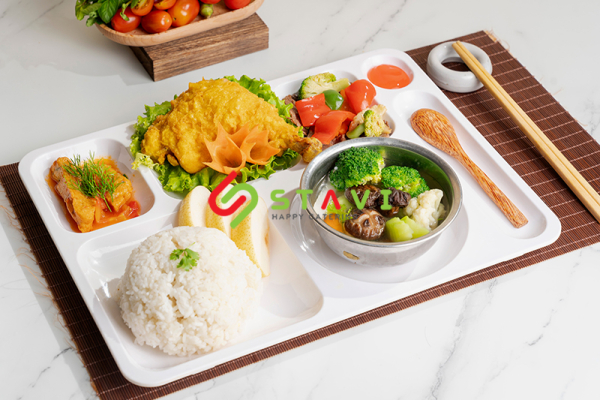
.webp "Vegetarian dishes in STAVI industrial catering")
Image: Vegetarian dishes in STAVI industrial catering
Because demand for vegetarian food has grown so much, industrial catering also includes vegetarian dishes, not only on the full-moon and first days of the lunar month. Apart from lifelong vegetarians, many people keep up the habit of eating vegetarian on alternate days, depending on their needs and reasons.
Besides improving one's own health, eating vegetarian also nourishes the soul and helps us feel closer to and more in harmony with nature. Vegetarian eating is a beautiful culinary tradition worth keeping up regularly for complete health, bringing harmony and a spirit of sharing.
Learn more about STAVI, the industrial catering provider
Learn in detail about the industrial catering production process at STAVI
Explore some features of a vegetarian diet with STAVI
1. Health benefits of a vegetarian diet
A well-planned vegetarian diet brings a whole range of health benefits. According to research, people who eat vegetarian scientifically can have better physical and mental health than people who regularly eat red meat. Even though they are vegetarian, they still take in all the important nutrient groups and vitamins the body needs, such as fibre, protein, potassium, vitamins A, C, D and E and magnesium.
A vegetarian diet can also bring other health benefits:
-
Promotes weight loss
-
Provides plant-based protein
-
Helps prevent cancer and stroke
-
Stabilises blood sugar levels
-
Improves cardiovascular health
2. Some drawbacks of a vegetarian diet
A complete vegetarian diet provides healthy meals that are still rich in nutrients. However, a lifelong vegetarian diet does have some drawbacks.
Long-term vegetarianism increases the risk of deficiencies in the nutrients and nutrient groups the body needs if the diet is not scientifically planned. Protein and omega-3 are abundant in poultry and fish, but when these animal foods are cut out suddenly, the body needs to obtain those nutrients from other substitute foods. If they are not adequately replaced over a long period, deficiencies develop and the body becomes sluggish, tired and unable to concentrate.

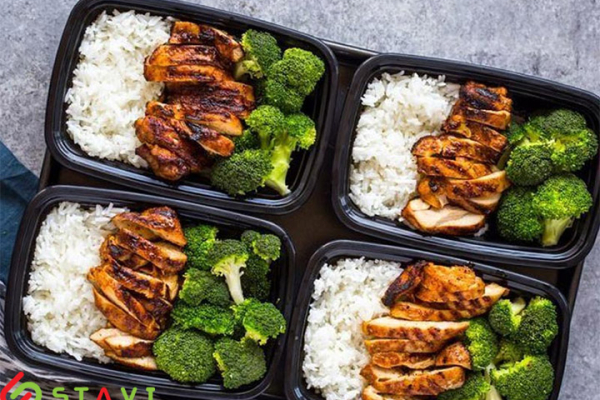
Image: A delicious, nutritious vegetarian meal tray for diners
A study of a group of vegetarians showed that they have a higher risk of protein, calcium, iron, iodine and vitamin B12 deficiency than people who also eat animal meat. Nutritional deficiencies lead to a range of health problems such as anaemia, headaches, dizziness, dull skin and thyroid problems.
You may also want to read some articles that many other readers are interested in
3. Some foods to eat
A vegetarian diet is built on food groups such as fruit, vegetables, roots, grains, mushrooms and nuts.
To replace the protein found in meat, vegetarians add plant-based protein by eating more protein-rich foods such as nuts (walnuts, almonds, macadamias, etc.), beans, tempeh, tofu and seitan.
If you follow a lacto-ovo vegetarian diet, giving up poultry and fish but not eggs and dairy, you can get protein from these sources as well, while also eating more protein-rich plant foods.
Eating fresh, whole foods from fruit, vegetables, roots and grains provides the vitamins and minerals that fill the nutritional gaps left by your vegetarian diet.
Some healthy foods for vegetarian industrial catering are:
-
Fruit: Apples, bananas, guavas, oranges, mangoes, cucumbers, watermelon, custard apples
-
Vegetables: Leafy greens, spinach, asparagus, cauliflower, napa cabbage, tomatoes, carrots
-
Grains: Rice, brown rice, oats, buckwheat, sweet potatoes, corn
-
Legumes: Lentils, mung beans, peas, chickpeas.
-
Nuts and seeds: Almonds, peanuts, sesame, walnuts, pumpkin seeds, sunflower seeds, chestnuts
-
Healthy fats: Peanut oil, sesame oil, coconut oil, olive oil, avocado
-
Protein: Tofu, nuts and seeds, seaweed, spirulina, eggs, dairy products
4. Foods to avoid
Each person builds their own menu and recipes when going vegetarian, and each approach has certain restrictions. Lacto-ovo vegetarianism is the most common type of vegetarian diet, because the person still gets nutrients and nutrient groups from eggs and dairy instead of eating meat. Vegetarians of other types who know how to balance their diet and supplement vitamins well can cut out eggs and dairy too.
When eating vegetarian, many people tend to eat a lot of rice to feel full for longer, thinking that eating plenty of rice is fine, but forget that rice is very high in starch: eating a lot raises blood sugar and increases the risk of diabetes. Therefore, eat only a moderate amount of rice and pair it with vegetables and other foods to stay full longer.
Whether vegetarian or not, you should limit deep-fried dishes because they are not good for health, easily lead to weight gain and make you feel heavy. When stir-frying, cooking, frying or making noodle dishes, use less oil for better health.
Depending on your needs and preferences, you can eliminate the following foods from your vegetarian diet:
-
Meat: Beef, pork, goat
-
Poultry: Chicken, Muscovy duck, duck
-
Fish and shellfish
-
All kinds of eggs
-
Dairy products and other animal products
5. Contact us now for direct advice on vegetarian industrial catering
A balanced vegetarian diet supplemented with nutritious foods such as whole grains, healthy fats and plant-based protein can bring a number of benefits, but it can increase the risk of nutritional deficiencies if you do not plan a good vegetarian menu.
You should pay attention to a few key nutrients that vegetarians often lack. In doing so, you round out your vegetarian diet with a range of healthy foods and minimise the downsides of this diet.

Image: Industrial catering provider STAVI
For delicious, fully nutritious vegetarian meals, "CONTACT US" right away for answers and direct advice.